Setting Up A Story
I know how to structure a story pretty well - or, at least, I think so - for any genre. But, I mostly write novels, short stories, poems, or lyrics. This is my first time writing a script and my second time writing a dystopia. So, while I may have some experience writing in general, I definitely still want to get into the structure of how to do this within my whole genre as it pertains to film.
Character Types

Katniss Everdeen - Hunger Games

President Snow - Hunger Games
The Villain: The villain, or antagonist, creates the dysfunction in society. They often have a utopian motive, or one that audiences can sympathize with, to add realism. Sometimes they act from pure corruption, too. They rely on the victim's fear or ignorance and try to silence the hero and any rebellion.
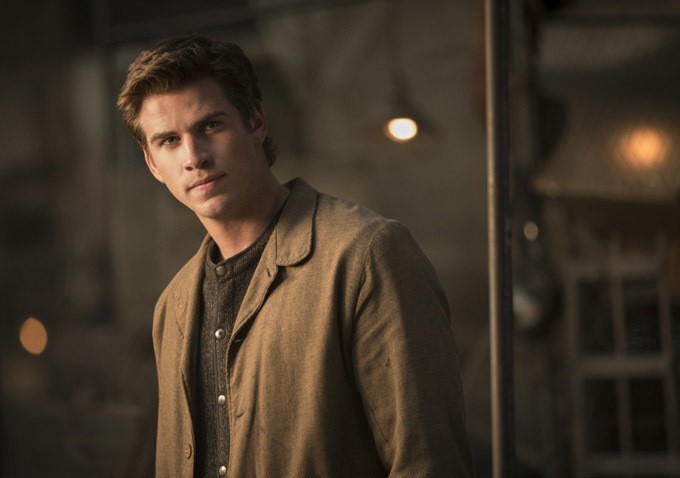
Gale Hawthorne - Hunger Games
The Mentor: The mentor seems like they are helping the hero, but are actually doing the opposite. They often use the hero's passion or motive as a weakness, manipulating the hero for their own personal gain. They often end up hurting the hero's goals and are used in betrayal scenes.
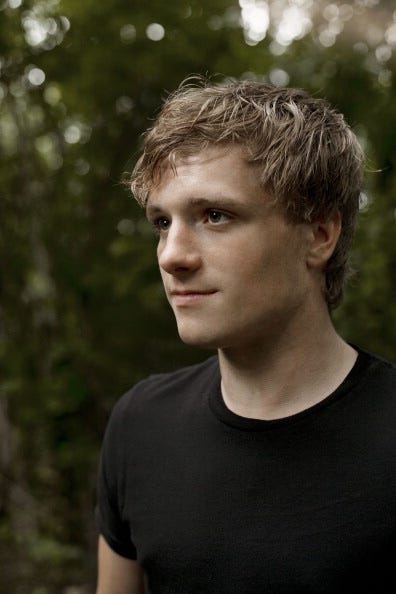
Peeta Mellark - Hunger Games
The Love Interest: The love interest is someone who the hero falls for. There can be multiple within a story, and are often used as the hero's motive for their actions. They are used to show themes like love and unity overcoming corruption and fear, and are conventional of dystopian thrillers.

Cinna - Hunger Games
The Friend/ Ally: The friend, or ally, is someone who helps the hero advance their goals. They are often reluctant at first, but end up being crucial to the plot. Many times, they find others that increase the size of the hero's group until it is just large enough to start a rebellion.
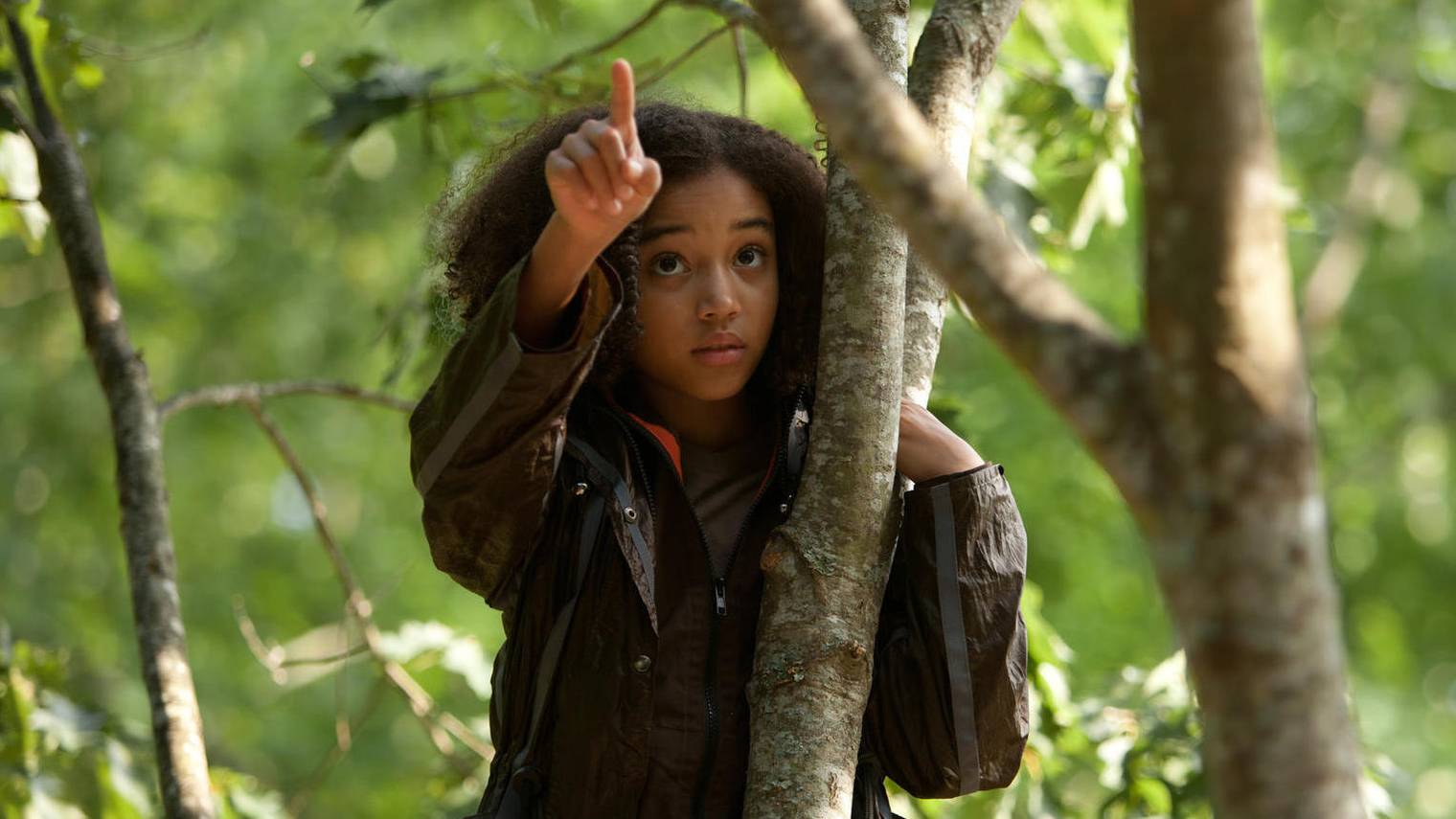
Rue - Hunger Games
The Victims: The victims are usually the other oppressed people in the world. They are often unaware they are oppressed or too afraid to retaliate. The hero's goal is often to rescue them from oppression. They are sometimes averse to the hero and comfortable in their oppression.

District 12 - Hunger Games
The Catalyst: This is usually a person, or group of people, the protagonist meets that opens their eyes to the oppression within the dystopia. This starts the hero on their main journey and generally begins the rising action of the plot.
Settings
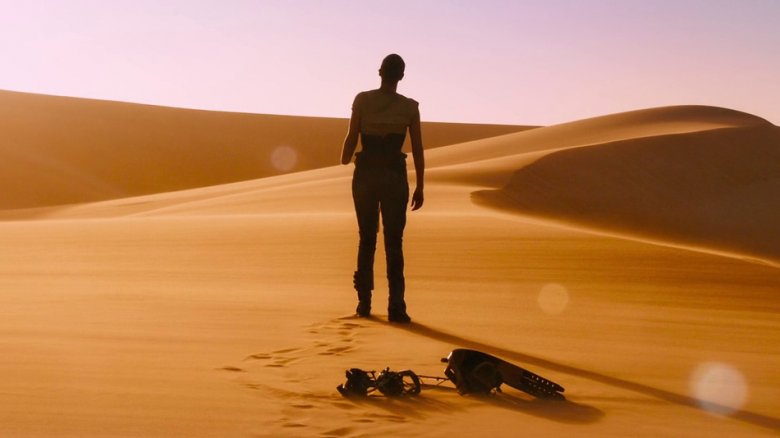
Mad Max: Furiosa
The World: The society that the characters live in. This society is dysfunctional in one or more aspects. Some aspects this society may disregard include autonomy, safety of citizens, and access to proper care.
Past/ History: These are dystopias that comment on past events or customs and highlight the dystopian qualities of these past societies. Most times the story is completely fictional, but it can display real historical events as well.
Alternative Timeline: Alternative timeline is a dystopia set in the present, but an event in the past caused dysfunction in the current society. Some events include choosing differently in politics or not treating a now treatable disease. This can be described as a type of post-apocalyptic dystopia.
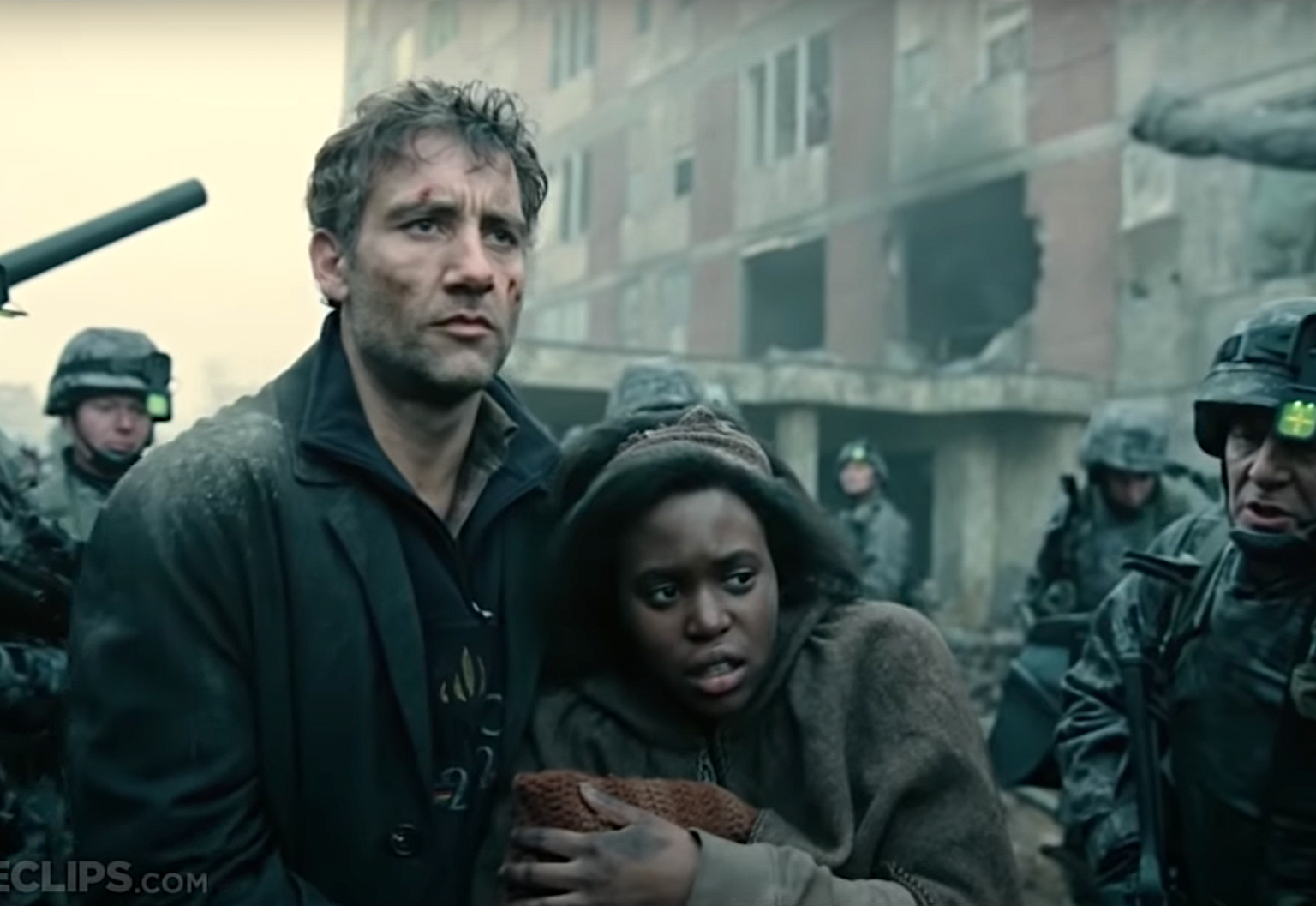
Children of Men
Near-Future: Near-futures predict the events that may happen relatively soon. Near-futures are meant to feel that they could happen to us and comment on current dysfunction in modern society.

Blade Runner
Future: Futures predict the events that may happen in the long-term as consequences of the dysfunctional things in modern society that no-one talks about. These serve as warnings and strong commentary on current society. They often include elements of sci-fi as well.

The Hunger Games
Post-Apocalyptic: Post-apocalyptic is a dystopia set after the destruction of the modern world. This can be set in any time period from past to future. Yet, the most common post-apocalyptic are near-futures.
Themes
Control & Helplessness: The villain tends to be the sole power with complete control or they have created a system that removes individuals autonomy. Because of a lack of power or autonomy, the victims feel they cannot retaliate, which the hero attempts to dissuade their inaction.
Cooperation & Competition: The villain creates a system with intense competition that focuses society on individual survival. The hero emphasizes cooperation and unity to end the system and overthrow the villain.
Evolution & Extinction: The villain modifies humanity under the guise, or hope, of evolving into a greater species but rather bring humans closer to a premature extinction. Sometimes, the case is that the victims must evolve to avoid extinction from the villains plans.
Hope & Despair: The oppressed often are in despair and believe there are no better outcomes possible for them. The villain relies on this to perpetuate dysfunction, and the hero threatens this by providing the victims with a symbol of hope.
Reflection
Now that I have done all this research, I have a deeper understanding of what goes into a dystopian thriller film. While I could identify most of these things, I never knew there were specific terms nor have ever gone as in-depth as this. This helped me specify what narrative qualities my idea for my film has. My film would be focused on control and helplessness and it is a near future dystopian thriller. This will help me ensure that I gear my film opening to revealing that narrative structure at a basic level. Now that I know this, I can research the most major thing I need to know from here: how to write a script. That will by next blog post.
Until then, farewell!
Sources:


No comments:
Post a Comment