Saturday, February 28, 2026

Planning - Set Design

 Setting the Stage

    In this blog post, I will be presenting the final set designs for the film opening. This is a necessary step to both world-build and also personify Emma during the story. There are four main areas where the film opening is taking place: outside the house, inside the bedroom, in the upstairs hallway, and in the kitchen/ dining room.

Outer House


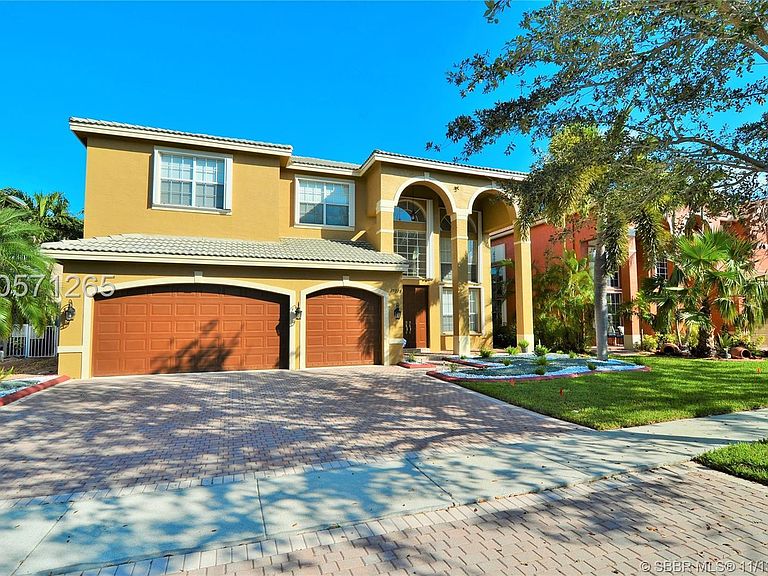
    There is an establishing shot taken here and if I can get to the third scene, my character stands outside for a bit. There isn't much importance to the house itself other than the fact that it's where Emma lives.

Bedroom


    The bedroom is where a majority of the first film opening will be, as it is in the first half of scenes 1 and 2. I am hoping to implicitly present a lot of Emma's character and personality through her immediate environment. From the way she organizes her room and keepsakes, to the way she lights it up, I hope to associate Emma with a sense of grounded whimsy. Because her room is her personal environment, I feel like this is the best place to do it.

Hallway


    This is used for the "getting ready" montage in the beginning of the movie and to portray some of Emma's movement around the house.

Bathroom


    This is where the entire "getting ready" montage happens. The montage shows a lot about Emma's personality as she acts very authentically during this part.

Kitchen


    The kitchen is used throughout the entire end of the second scene. This will be important for helping add to tension since this is where the title will most likely be displayed. I think I can use Emma's movement around the kitchen to further convey her character as well so I think this is important. Additionally, kitchens are family places, so the way it's organized might inspire insight on her family, as well.

Reflection

    Having the sets fully prepared has granted me a full vision of Emma's movement throughout the scene. Not only will this (hopefully) provide my audience with insight on her character, but also immerse themselves into each scene. I learned that actually designing a set is extremely tedious and requires a lot of thought. 

    I took the longest with setting up my room because I had to switch up my bed sheets and actually decorate my room for this. I have been meaning to decorate my room, but I did not do it until today. I think I added some aspects of my personality into the room, but I really relate to Emma's character, so I feel like it still fits. 

    Now that I have all the major sets ready for filming, the only thing I need to do is decide what Emma will be wearing. I will do this in the next blog post.

    Until then, farewell!

Wednesday, February 25, 2026

PRODUCTION - The Podcast

Producing the Podcast

    In my last blog post, I created the jingle for my podcast. Therefore, naturally, I will be creating the actual podcast in this blog post. For all parts of the podcast, including the jingle, I used GarageBand because it was easily accessible through my phone and simple to use.

Directing the Actors

    For the podcast, I wanted the tone to be outwardly informative and seemingly positive in an unsettling sort of way. I directed my actors to emphasize certain lines that highlighted the SCRIPTED Act's looming presence in this world. I think they took this direction pretty well as we didn't have to do an excessive number of re-recordings. 

    Rita nailed her role, which I think is due to the fact that her actor is similar to personality. She did make her voice a little higher to emphasize Rita's perkiness. I appreciate this a lot and I think it was a really effective choice.

    I wanted Shaheer to sound like he was a little nervous but trying to hide it. I think that his actor did really well with this assignment and I was a honestly a bit shocked with how smoothly he adapted to my requests. I wanted this because later in the film, it is revealed that he is "dealt with" by the government because he went against his SCRIPT by appearing on the Daily Script.

Challenges

    We did run into a slight issue with their synchronization and timing while they were reading the script. The way I decided to fix this was to have Rita say her line and remove Shaheer's corresponding lines since they were shorter. This way it would sound smoother with the ending going from Shaheer to Rita and Back to Shaheer to finish it off.

    After I made this change, the production of the podcast went a lot smoother.

Reflection

    Because this podcast plays such a pivotal role in world-building and plot advancement at the same time, it was imperative that I get this done before filming. I grew in my leadership and technical skills through my direction of the cast members and my editing of the podcast. Now that I have finished creating the podcast, I am ready to begin filming the first scene of my film opening brief. Before I begin filming, I will complete the set design and costume choices for Emma. Completing the set design will be my next step in the following blog post.

    Until then, farewell!

Sunday, February 22, 2026

PRODUCTION - The Jingle

 A Jamming Jingle

    In this blog post, I will be creating the jingle to the Daily Script Podcast that will be featured in my film opening. I am thinking about doing a podcast for my CCR later in the year and using the same jingle for that as well.

The Jingle

    For my jingle I wanted a melodic sound to put the podcast in a more positive, warm light. Melodic sound is usually unconventional for dystopian thrillers, but I think it works well in this case. I do, however, wish to end the jingle on a discordant note to symbolize the 

    I hope to make the jingle about 8 to 10 seconds long. I also hope to make the jingle with very little variety in the notes. Most preferably, I will only use 2 or 3 notes until the discordant note. I think I will use the notes B, C, D, and E, with B following a C to make it the discordant note at the end.

Reflection

    Now that I have created my podcast jingle, I feel more prepared to create the podcast. I believe that a podcast's success relies heavily on its jingle as this leads into the content and how it is presented. I think my jingle properly reflects not only the theme of the podcast, but also my film. Now that I have created this, the next step is to record the podcast itself, which I will do in my next blog post.

    Until then, farewell!

Friday, February 20, 2026

PLANNING - The Soundtrack

 Music for My Movie

    In this blog post, I will be creating the soundtrack for my film. This soundtrack will also double as a playlist for Emma. I will be creating this soundtrack in my notes first, then moving it to Spotify. Since Spotify gives song recommendations for playlists based on what is already in them, I will probably add a few songs from that, as well. In this post, I will cover what I think are the most important songs and add the link to the playlist at the end.

The Sound of Silence


    The Sound of Silence is a classic by Simon & Garfunkel. I really liked this song because it is about the lack of regard in modern life and purposeful ignorance, matching well with my film's theme. For this reason, I am actually considering adding this song in the beginning of my film opening.

Somebody's Watching Me


    Another absolute classic important to this film is Somebody's Watching Me by Rockwell. This song matches my film's theme extremely well, especially since a major part of it is that they are being watched. If I do not end up adding The Sound of Silence, then I will probably add this one.

Lily

    Lily is a song by Alan Walker along with K-391 and Emelie Hollow. It is about naivety, manipulation, and exploitation. While this is not directly fitting for my theme, I just love how explicitly dystopian it is. It also matches with Emma's reflectiveness and general awareness of injustice and corruption within society.

Handlebars


    Handlebars by Flobots has hints of themes of freedom from corruption, but it was mostly added to show Emma's escape method is music and develop her character a little. The main reason I included it in this list is that, if I get to the third scene, she sings this song.

my future


    Regarding Emma's character, my future by Billie Eilish is probably the most revealing of her personality, despite its (probably) limited airtime. Because of Emma's recognition of corruption, longing for freedom, and reflectiveness, Eilish is a common artist in this playlist, solidifying my future's importance.

BLUE


    BLUE, another song by Billie Eilish, again matches Emma's character pretty well. It also discusses the isolation one faces from being aware of their circumstances in a certain way that I think is exceptionally beautiful and slightly dystopian in the perfect way.

Internet Girl


    Internet Girl is by KATSEYE, who is another favorite artist of Emma's. I think she would enjoy KATSEYE because of their personalities, as they would be some of the only seemingly genuine people. Their music would be both grounding and an escape for her. I chose Internet Girl specifically because of it's line "It's all too much I fear, I'm getting out of here,"which hints at her longing for freedom.

Dilemme

    Dilemme by Lous and the Yakuza is an all French song that explicitly displays Emma's global music range. Implicitly, it has a similar meaning to BLUE and shows the loneliness and isolation she feels from being the only person aware of the corruption in society and her inability to truly speak out.

Take It All Back

    Take It All Back is a Christian Contemporary song by Tauren Wells, We The Kingdom, and Davies. This would probably be Emma's favorite song. I believe this would be because it resembles her fighting spirit, longing for freedom, and awareness, all while displaying on her reliance on God.

PLAYLIST LINK:

Reflection

    Now that I've finished my soundtrack and established the some of the most critical songs found within the film, I feel like I could write a whole plot. I am saying this now, and I will probably say something similar again, but I feel like the soundtrack or music of a production is important because it guides the content and its presentation. Now that I have an entire soundtrack, I feel much more confident my ability to create this film opening. 

    The music also tells the audience so much about Emma and the current society that I think is very important for world-building purposes. In my next blog post, I will be continuing on my sound journey by creating the jingle for the Daily Script podcast.

    Until then, farewell!

Monday, February 16, 2026

PLANNING - Mise-en-Scene

 Setting the Scene(s)

    Now, in this blog post, I will be discussing some props and decorations I might include in my film. These are just a few ideas and I might not use everything, but I think it's better to list it. 

Props/ Decorations

Instax Camera: I have a lavender Instax camera that can print out pictures. I think this perfectly fits with Emma's more bold vibe and hints at her creative side as well.

LED Wall Lights: I have LED wall lights that have clips to hang up the pictures that my Instax camera prints. I have had this since I was thirteen and I have not used but I think that it would be a nice ambience and mood setter for the second scene. I could also take some pictures of myself and hang them up to give the audience some hints about Emma's backstory and personality.

Electric Piano: I actually have this in my room already because I am the only person in my family who knows how to play. This will highlight Emma's love for music, which will be consistently displayed throughout the film.

Stuffed Animals: While I have some stuffed animals that relate to Emma's character, I want to have about four or five. I think this will just add to the lightness of her character. I want them to be scattered in the first scene and then Emma puts them back in the second.

Full Bookshelf: I have a bookshelf on my bed but my some books are in my closet. I want to fill out my bookshelf with books, as well as maybe a medal or award to resemble her accomplishments.

Bible: I could have put this in the bookshelf but I want this to be on my bed instead. This will make it stand out compared to other books, which is exactly my aim as this is integral to Emma's character.

Reflection

    Now that I have a tentative list of some of the most major props and decorations I will be using in my film opening, I can start visualizing the movement of the scenes a little better. Before I could see how Emma would generally act, but it was blurry in a way. Now it is sharper, clearer, and much easier to imagine. Now that I have finished this, my next blog post will be about something I have been looking forward to a lot: creating the music for the podcast (and, maybe, soundtrack)!

    Until then, farewell!

Sunday, February 15, 2026

PLANNING - Cast & Locations

 People and Places

    In this blog post we will be doing some casting calls and determining a location to film my brief. So, without further ado, let us begin!

Casting

    I don't have many friends who are willing to act as the main character in a film brief. When I say not many, I mean none. I hoped I would be able to find someone because it would have been easier to film with my hands available. However, I shan't let this set me back!

    While I will have to navigate my filming journey by myself, I am not completely castles. I have gotten the help of my parents - Steve and Catherine Compere - to act as Shaheer and Rita on the podcast. This is great because it will add to the authenticity of the film opening.

    Emma/ Simone Compere
- Can understand character well (because I made her)
- Is an ordinary looking teenage girl
- Will try her best acting

    Shaheer/ Steve Compere 
- Both are charming personalities
- Has a deep voice which is found attractive
- Can display a wide range of emotions vocally

    Rita/ Catherine Compere
- Both are naturally very friendly figures
- Can easily make the switch from light hearted banter to serious discussions
- Cheery/ Happy voice

Location

    Since my cast is just me and my parents, I think it is safe to say that the location I will be filming is my house. This is actually a bit better for me because I have a lot of items in my room that I think will fit perfectly with Emma's vibe. I do not have a definite list of props yet, so I do have to begin creating a list for that soon.

Reflection

    While my cast is small and does include me, this will allow me to communicate my ideas more effectively to the group. Additionally, it allowed the location to be my house. This will allow me a lot of creative freedom with set design. I'm really excited about that because my room happens to be completely undecorated, so I'll be decorating it for the first time for this project. My next blog post will be about some of the props I am considering. 

    Until then, farewell!

Saturday, February 14, 2026

PLANNING - Storyboarding

Storyboarding My Story

    It's time to begin storyboarding my film. I think I should do this now because I have a good idea of how I want my scenes to look. I don’t have much preference on how the main character looks as long as she appears to be an ordinary teenager.

Scene 1


    For the first scene, I want to start it off with a cut to the house from black. I want this shot to be from a low angle to give a full view of the house while already starting the movie with an undertone of vulnerability, weakness, and suspense. Then, I’d zoom in to the window of the house of the protagonist’s bedroom.

    The second clip would have a fade in from the first one, then a pan to the main character waking up. I would I would like to attempt to have a canted angle on the main character for this shot to continue portraying that vulnerability from the first shot.

    The final clip of the scene would be a truck of the main character into a zoom-in of the bathroom door after they enter. I would put the sound of a light switch and shower after this before transitioning to scene 2.

Scene 2

    For scene two, I want to do multiple jump cuts from different spots in the main character's bedroom and kitchen for a montage feeling. I plan to put the Daily Script Podcast and VoiceOver recordings over this section of the scene. That is all this scene would really consist of.

Scene 3

    If I have time for this scene, I would want a pan, followed by a boom up, and finished with an aerial shot on the main character for the first clip. 

    The second clip would be tracking and trucking shots to add dynamism to the scene. I hope to incorporate a long shot as well to add a light-hearted feeling that contrasts with the vulnerable tension in the previous scenes. 

    I think this would work because it would  resonate more along the lines of a coming-of-age film, as they often use long shots in mobile scenes. This scene is meant to be lighter in general and more focused on providing some context for the rest of the story.

Reflection

    Now that I have a storyboard laid out for me to visualize my scenes, it will definitely be much easier to film. This will help my filming process go a lot smoother I believe that doing the storyboard will help me  In my next blog post, I will be finding people to act in my film opening.

    Until then, farewell!

Sunday, February 8, 2026

PLANNING - Project Proposal

 Project Proposal

    Because I am working alone on my brief, it is important that remain focused on my goals for my film opening. Though I have already finished research, script, and background, I want to ensure that I am sure about who I want to appeal to and how I'll appeal to them. What is my message and how am I getting it across?  

Genre

    I will be making my film opening a dystopian thriller because I want to make something anybody could watch while providing strong commentary on the current government in America. However, I would like to focus the most on kids around my age (14 to 17 years old) because I hope to spark thought in them and encourage them to question the state of our lives right now.

    Thrillers are enjoyed by a very wide age range, allowing me to capture the attention of more people. Kids my age tend to gravitate towards thrillers because they enjoy watching fast-paced, high tension scenes. Additionally, dystopias are great for emphasizing how the things we do now can negatively impact society later.

Audience

    I want my film to be enjoyable to as wide an audience as possible. However, I will be trying to focus on appealing to kids close to my age the most. While my primary audience is not gender specific, I will appealing more to girls because the protagonist of my film is female. 

    My protagonist is a popular influencer, but otherwise ordinary, which I hoped would increase the influence her journey would have while keeping her realistic and the story relatable. Because the commentary of my film focuses on the current American government, I want to ensure my audience is mainly from this area. There is not much point in convincing teenagers from other countries to make a difference in America. 

    My protagonist, being the social media presence that she is, will follow a lot of American trends, including fashion, common language, and music choices. However, she will have some interests that are not widely popular to show her individuality, connecting her to rebellion against complete conformity.

Social Topics

    My film discusses several current social issues. Every dystopia aspect of my film is something that is happening in America right now in a different way. From the tracking installments to the immediate brutal force, my film simply reflects the current state of America and encourages inaction. It causes the audience to think "This could be our future." The political turmoil in the U.S. is affecting regular people the most, and as citizens, we are being driven by fear of what our own government would do to us for exercising our rights. That is not right. So, I thought I would make a movie about it.

Technologies

    Because I do not have access to any video cameras, I will be using my phone to film my opening. However, my school provides Adobe Premiere Pro to all students. Therefore, I will be using this software for all my editing. Even though I have done some practice with this software, I am not proficient with it. Thus, I will be doing some practice before editing. I also have a friend who took a TV Production class last year, so, I want to ask them for help on how to do certain things I struggle to figure out on my own.

Planning Schedule


    Because the deadline for my portfolio in March 15, I want to try to finish by the thirteenth. That way, if all goes well, I can submit it two days early and if not,  I have two extra days to work on whatever is missing. I have dedicated a week to filming, editing, and completing my CCR each. However, these next two weeks will just be me finishing my planning, then setting up specific things that are necessary for world building. The next thing in my planning schedule is to create my storyboard, which I will be doing in my next blog post.

    Until then, farewell!

PLANNING - Background Information

 The Plot and The People

    It is time for me to finally complete the background information for my film opening and the characters you see in it. I will include the notes I took for this part as well as my updated script.


Acts/ Scenes

    Act 1 of my film opening is the exposition of my movie and the very beginning of the rising action. In this act we see a day in the life of my protagonist. It is a Saturday to start

    Scene 1 just shows my protagonist getting ready for her day to add a sense of realism. This part will be completed in either complete silence, or with a soundtrack playing in the background. This will help build the feeling that something ominous is at hand.

    Scene 2 is more of the same. The major difference is that in this scene, there is more dialogue. The dialogue, however, comes mostly from the podcast the protagonist is listening to and a voice-over that provides some world-building context for the audience.

    Scene 3 is, again, meant to add depth to the personality and life of the protagonist. Here, it is revealed that she is a popular influencer. This scene also allows us to see her music taste a little bit, giving the audience some clues about what perspectives my protagonist might have.

Characters

Main Character

    My protagonist, Emma Dayes, is a 16 year-old female social media star. While I usually choose names with more conventionally symbolic meanings, I chose Emma's full name because it sounded like "Oh My Days!" a little. I think her name is still symbolic in a sense because the main reason I use this phrase is when I see how out of control America's political situation has become. It serves as a symbol of her (and my) exasperation.

    Emma is a creative, fun-loving person who believes in having confidence through Christ. She does preach this message to her followers and relies on her faith through out the film. This is going to be a big part of the film. She believes strongly in expressing yourself freely. She is also someone who is very smart. Her quick pattern recognition, emotional intelligence, and analyses are her strongest assets throughout the film.

The Daily Script Host

    The host for the Daily Script, Rita Mildred, is a 49 year old female who secretly hates the SCRIPT, but hides it. She has two sons and a husband. Her eldest son was black-lined (or dealt with) for Illegal Improvisation. She is very fearful of the consequences; yet, ironically, she is one of the only people Emma can convince to help. Despite this, Rita manages to feign an optimistic cheery attitude for when she produces the podcast. Rita ends up pushing through her fears. This is hinted at in her name, which means Honest (or Brave), Gentle Strength. 

Special Guest

    The special guest on The Daily Script Podcast, Shaheer Salamut is a 35 year-old Arabic male. He is a famous actor and he has this captivating charm about him. Though he will not speak or be seen much, I want this to be conveyed through the podcast as much as possible because I want the audience to feel the gravity of his death.

    He is against the script and his appearance on The Daily Script was an Illegal Improvisation. Therefore, he gets blackened. This will not be revealed until the next morning, where it will be stated in the news. His name strongly hints at his tragic outcome because it means The Person That Is Famous Will Die." This will be a pretty major plot point to slowly moving the story to the start of Emma's journey.

Reflection


    I have finally updated my script to include the character names and some other actions and shots that I didn't specify before. Doing the background helped me lay-out the order of my film in a more detailed way. It also allowed me understand my characters a little better, which will help me improve the way I present them to the audience. Now that I have my background information and my script, it is time for me to start storyboarding my film. That will be my next blog post.

    Until then, farewell!

PLANNING - First Script Draft

Scribbling Out A Script

    I finally finished writing my script! Since I already had an entire idea for an opening, I was able to skip over brainstorming. In this blog post, I am going to cover the general plot of my film and my thought process as I wrote my script.


Storyline

    My film is about an American society where everyone is told what to do by a daily script that the government updates each day. The citizens are monitored constantly through a special tracker that each person was required to have installed. 

    Anybody who didn't comply, or does not comply, is dealt with immediately. This act was passed by the President who claims it is meant to eliminate crime, but is truly meant to ensure the people cannot vote him out of office. The main character, who is a popular influencer, never trusted his charms, and once stumbling upon this plan, attempts to stop the plan by shutting down the monitors's software. This only works because she manages to block her monitor. 

    The movie would end with her failing because I believe in letting people despair to prove a point. To emphasize this, the government would force her into hiding, turn her into public enemy number one, and then redact any trace of her existence. I think that ending would be tragic, but still give the audience a bit of hope because she is still alive.

Struggles


    I have had my plot in mind for about a week now but I wasn't able to get much done script before because I literally had no clue not write one. Now that I do, writing the script wasn't too hard. The hardest part was actually coming up with the name of the screenplay. I tried out many names and even asked my mom for an idea; but nothing felt right to my plot. Until I thought, Why don't I make the name the same as the act? 

    I wanted the act to be called the S.C.R.I.P.T., but I didn't know what the abbreviation would mean exactly. I wanted the name of my film, and the name of the evil act, to mean something. I couldn't find something that would work for just SCRIPT, so I changed it to the S.C.R.I.P.T.E.D. Act. 

    After a lot of synonym searching and dictionary surfing, I was able to come up with "The Strategic Control Regarding Individual Perversity Through Explicit Direction Act." I like this name a lot. Even though it is long, I think that the length of the name actually adds to the overshadowing suspense of the Script.

    Other than that, the only real struggle I had was having to rearrange a few lines here and there. 


Reflection

    I was able to write three scenes, though I will probably only be able to incorporate the first two scenes. I tried to incorporate as many shots, angles, and transitions that I already knew I wanted to add so that it is easier to storyboard later on. I was able to practice writing a script and get a pretty solid first draft for my film. However, none of my characters have actual names. I only included the basic role they play in the film. I will update this information after my next blog post where I will be completing the background information for my story.

    Until then, farewell!

Saturday, February 7, 2026

RESEARCH - Script Writing

 Structuring A Script

    This is my favorite part! I'm going to learn how to format the script for a screenplay in this blog post. I have no problem creating stories in my head - I'm very imaginative - but I've never had the means to visually bring them to life. Sure, books are awesome, but being able to show others what I see in my head would be amazing. So, this blog post is all about formatting scripts.

Structure


Title: This is the only thing on the first page of the script. This includes writing the title and name of the screenplay writer.

Logline: This is a really brief description of the plot of the film. The longline usually does not exceed a sentence, but it may be two sentences if necessary.

Background Information: This is split into two parts. The character background describes the main characters's defining features, personality, and role in the story. The act or scene background describes the plot of that specific section of the film.

Act/ Scene Numbers: This states which act and scene you are in for the film. It is used to guide and orient the reader of the script by saying where in the story they are.

Scene Headings: The scene headings details when and where the scene takes place. It starts with either INT. or EXT. to describe whether the characters are inside or outside. It states when and where in the format of "LOCATION - TIME OF DAY".

Transitions: This is used to describe how the scene is transitioned into or out of. It can also be used to show transitions to another part of the same scene. For example, "FADE IN - BLACK".

Subheadings: While it is always detailed in the scene headings, the setting is sometimes specifically described in the subheadings of the script.

Characters: Some of the characters in the scene are detailed in the actions paragraph. They show who does what.

Actions: This is usually a paragraph before a dialogue and there can be multiple within a scene. This details the actions a character is making throughout a scene.

Speaking Character: This describes who is speaking certain lines throughout a dialogue.

Parentheticals: This provides specific directions or information for the characters to heed while they are speaking their lines. They are can be placed before or at the end of dialogue. Some examples include "(to John)" or "(pointing to flyer on wall)".

Dialogue: The lines that the characters speak in a scene. This takes up most of the scene and give a lot of information about character interactions, especially when paired with parentheticals.

Shots/ Angles: This allows the screenplay writer to provide information about the order of shots and angles in a scene. This helps the producers and directors visualize the writer's ideas.

Guidelines

    The title is usually centered in the middle of the page. The logline, background, scene heading, actions paragraph are all aligned to the left. The speaking characters, dialogue, parentheticals are aligned in the center. Finally, the transitions, angles and shots are aligned to the rightmost side of the page. Additionally it is important to note that the title (excluding the screenplay writer), scene heading, speaking characters, and transitions are written all uppercase and bolded font. The screenplay writer may be written in all capitals if the writer chooses, though the name of the characters must be written this way throughout the script.

Reflection


    Now that I know the structure and guidelines of writing a script, I can finally start planning my film more. Of course, to plan my film I will have to do some research on some aspects of things like the setting and time period of my film. But now that I know how to write scripts, I will definitely try to start writing one for my brief. While this should start with my background information, I already have an entire sequence in my head fo the script. So, I'm going to write my script and write the character roles instead of names for now. I will edit this after I do my background information. That will be my next blog post.

    Until then, farewell!


Sources:

Wednesday, February 4, 2026

RESEARCH - Narrative Components

Setting Up A Story


    I know how to structure a story pretty well - or, at least, I think so - for any genre. But, I mostly write novels, short stories, poems, or lyrics. This is my first time writing a script and my second time writing a dystopia. So, while I may have some experience writing in general, I definitely still want to get into the structure of how to do this within my whole genre as it pertains to film.

Character Types

Katniss Everdeen - Hunger Games

The Outcast/ Hero: The outcast/ hero is the protagonist. They serve as a sort of sacrifice, risking their lives and opposing the villain. The hero is someone who would be seen as ordinary, but also oppose the norm of society. Many times, they are one of the only ones aware of their current society's dysfunction.


President Snow - Hunger Games

The Villain: The villain, or antagonist, creates the dysfunction in society. They often have a utopian motive, or one that audiences can sympathize with, to add realism. Sometimes they act from pure corruption, too. They rely on the victim's fear or ignorance and try to silence the hero and any rebellion.

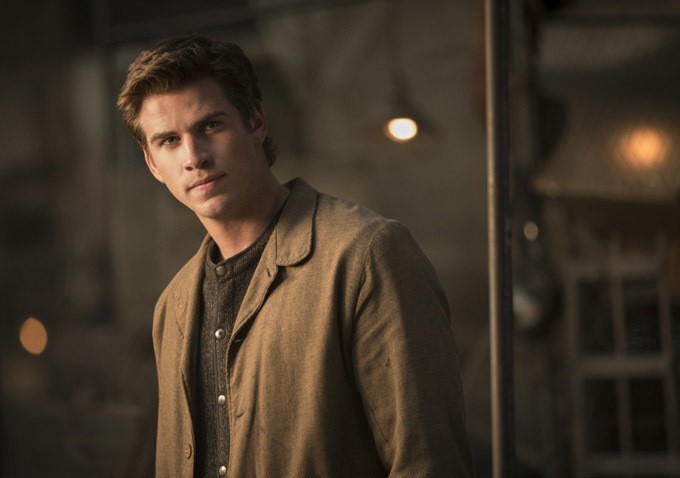
Gale Hawthorne - Hunger Games

The Mentor: The mentor seems like they are helping the hero, but are actually doing the opposite. They often use the hero's passion or motive as a weakness, manipulating the hero for their own personal gain. They often end up hurting the hero's goals and are used in betrayal scenes.


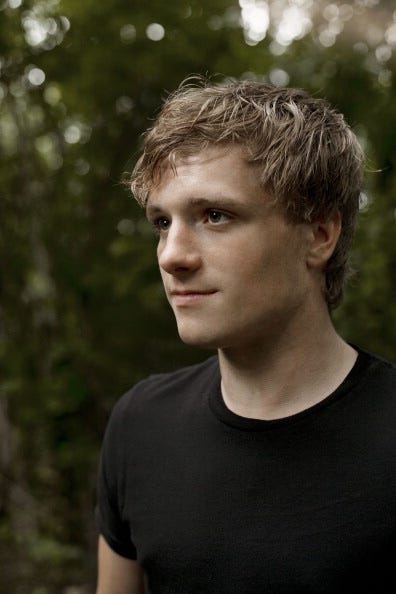
Peeta Mellark - Hunger Games

The Love Interest: The love interest is someone who the hero falls for. There can be multiple within a story, and are often used as the hero's motive for their actions. They are used to show themes like love and unity overcoming corruption and fear, and are conventional of dystopian thrillers.

Cinna - Hunger Games

The Friend/ Ally: The friend, or ally, is someone who helps the hero advance their goals. They are often reluctant at first, but end up being crucial to the plot. Many times, they find others that increase the size of the hero's group until it is just large enough to start a rebellion.

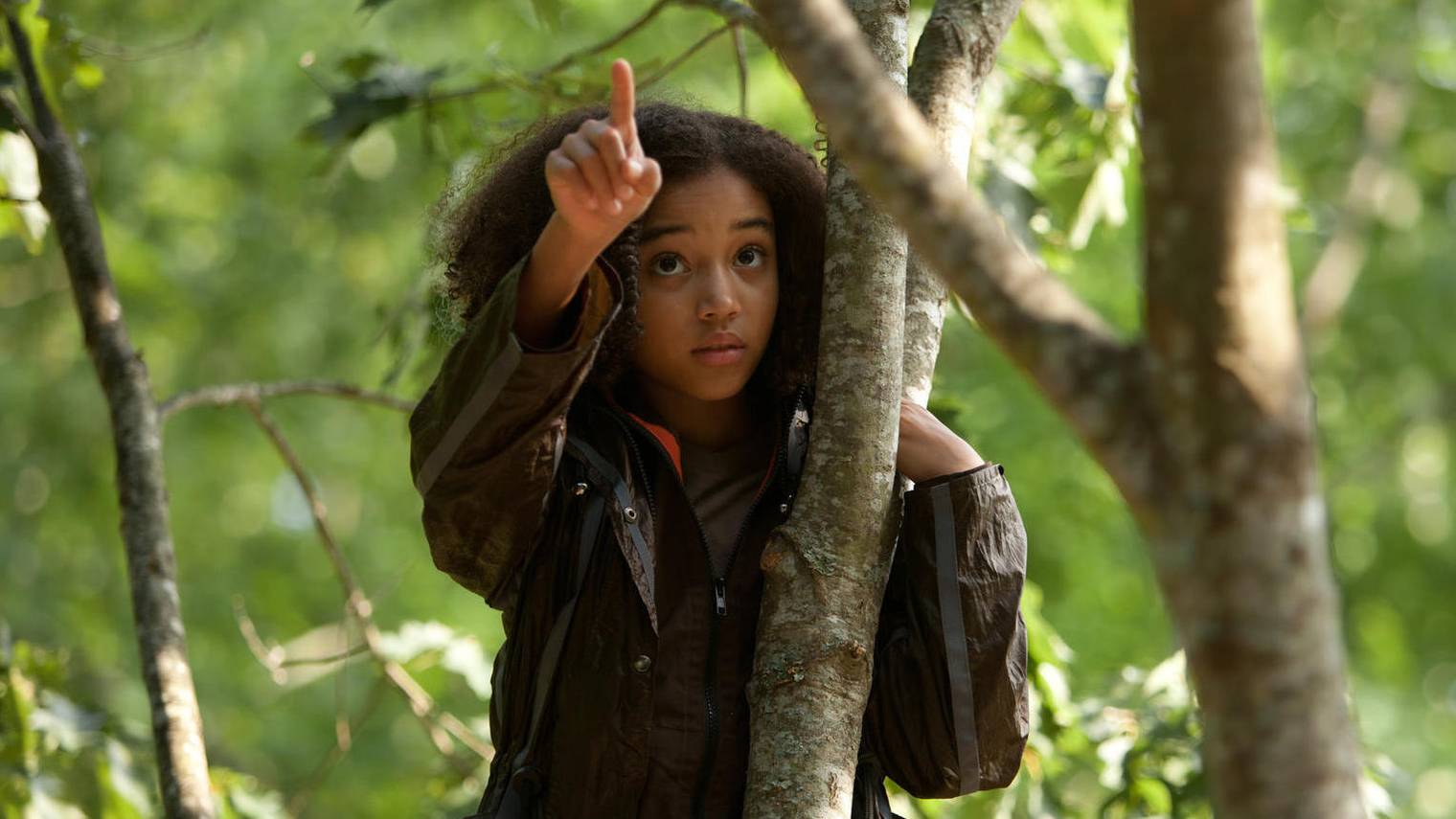
Rue - Hunger Games

The Victims: The victims are usually the other oppressed people in the world. They are often unaware they are oppressed or too afraid to retaliate. The hero's goal is often to rescue them from oppression. They are sometimes averse to the hero and comfortable in their oppression.

District 12 - Hunger Games

The Catalyst: This is usually a person, or group of people, the protagonist meets that opens their eyes to the oppression within the dystopia. This starts the hero on their main journey and generally begins the rising action of the plot.

Settings


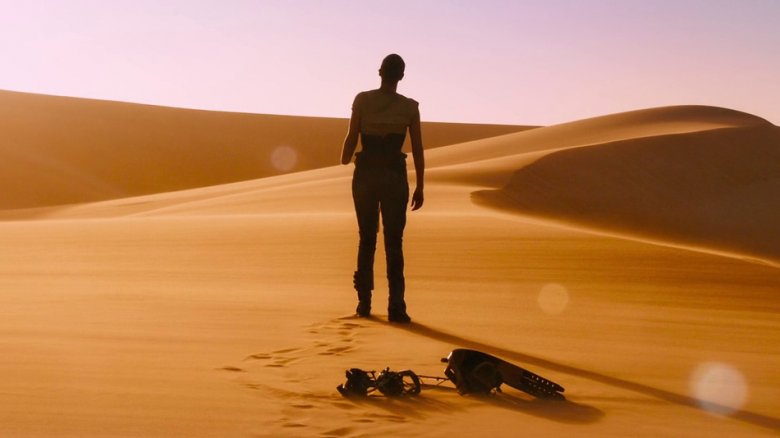
Mad Max: Furiosa

The World: The society that the characters live in. This society is dysfunctional in one or more aspects. Some aspects this society may disregard include autonomy, safety of citizens, and access to proper care.

Past/ History: These are dystopias that comment on past events or customs and highlight the dystopian qualities of these past societies. Most times the story is completely fictional, but it can display real historical events as well.

Alternative Timeline: Alternative timeline is a dystopia set in the present, but an event in the past caused dysfunction in the current society. Some events include choosing differently in politics or not treating a now treatable disease. This can be described as a type of post-apocalyptic dystopia.

Children of Men

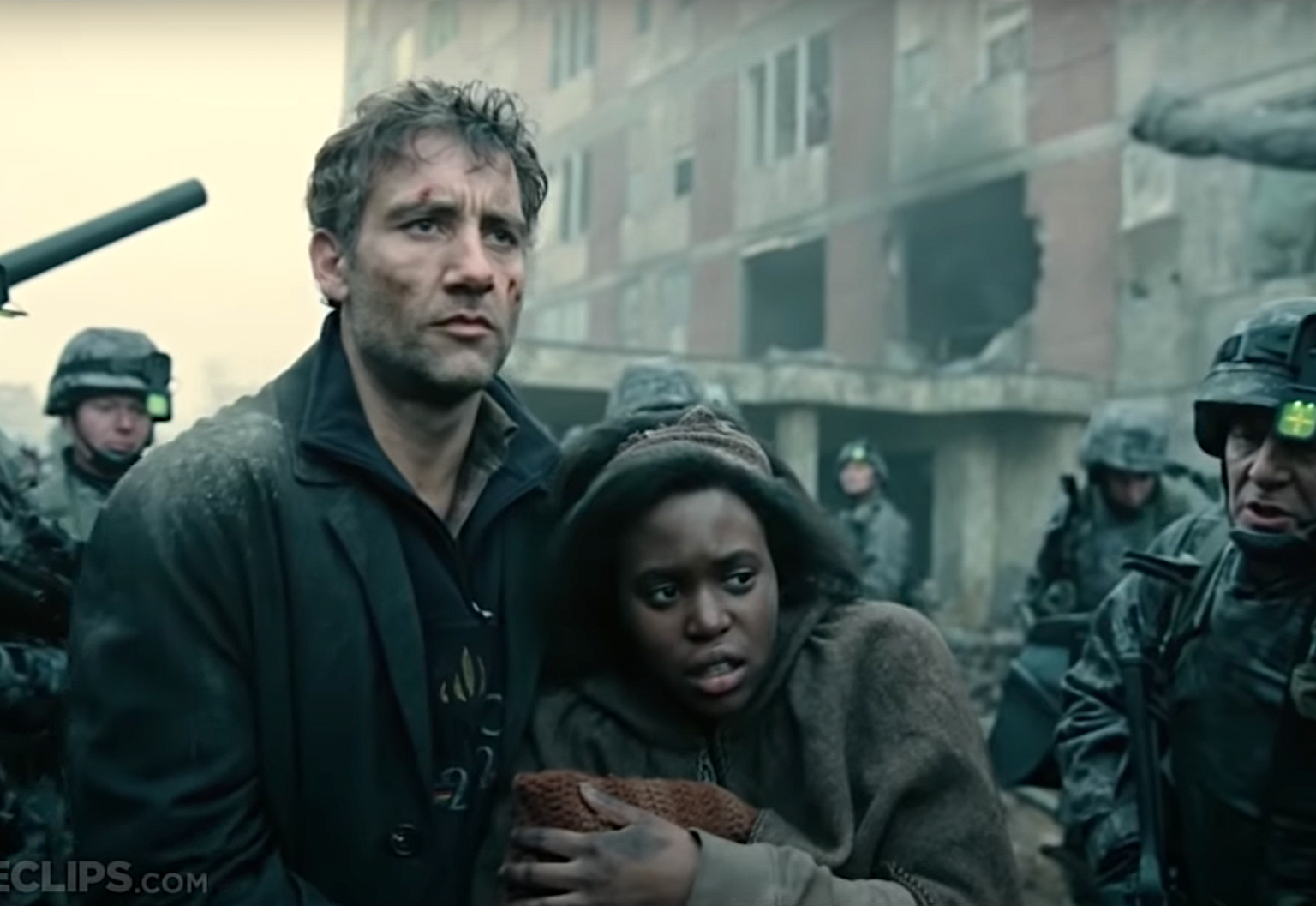
Near-Future: Near-futures predict the events that may happen relatively soon. Near-futures are meant to feel that they could happen to us and comment on current dysfunction in modern society.

Blade Runner

Future: Futures predict the events that may happen in the long-term as consequences of the dysfunctional things in modern society that no-one talks about. These serve as warnings and strong commentary on current society. They often include elements of sci-fi as well.

The Hunger Games

Post-Apocalyptic: Post-apocalyptic is a dystopia set after the destruction of the modern world. This can be set in any time period from past to future. Yet, the most common post-apocalyptic are near-futures.

Themes

Control & Helplessness: The villain tends to be the sole power with complete control or they have created a system that removes individuals autonomy. Because of a lack of power or autonomy, the victims feel they cannot retaliate, which the hero attempts to dissuade their inaction.

Cooperation & Competition: The villain creates a system with intense competition that focuses society on individual survival. The hero emphasizes cooperation and unity to end the system and overthrow the villain.

Evolution & Extinction: The villain modifies humanity under the guise, or hope, of evolving into a greater species but rather bring humans closer to a premature extinction. Sometimes, the case is that the victims must evolve to avoid extinction from the villains plans.

Hope & Despair: The oppressed often are in despair and believe there are no better outcomes possible for them. The villain relies on this to perpetuate dysfunction, and the hero threatens this by providing the victims with a symbol of hope.

Reflection

    Now that I have done all this research, I have a deeper understanding of what goes into a dystopian thriller film. While I could identify most of these things, I never knew there were specific terms nor have  ever gone as in-depth as this. This helped me specify what narrative qualities my idea for my film has. My film would be focused on control and helplessness and it is a near future dystopian thriller. This will help me ensure that I gear my film opening to revealing that narrative structure at a basic level. Now that I know this, I can research the most major thing I need to know from here: how to write a script. That will by next blog post.

    Until then, farewell!


Sources:
Sunday, February 1, 2026

RESEARCH - Target Audience

 Targeting My Audience

    Now that I have gotten a clearer idea of what I need to do to actually create my film opening brief in general, I want to see how the strategies I have learned actually appeal to an audience. I think this will help me focus my brief in the right direction. Since I tend to struggle to find information on dystopian thrillers as its own genre, I'm going to conduct this research in terms of thrillers. Then, I will put sub-categories for my demographics of interest; age, gender, ethnicity, education, and distribution patterns. I'll try to apply this information to dystopian thrillers as its own genre afterwards.

Thrillers

Age: 


    Thrillers seem to be enjoyed pretty equally among all age groups, but are slightly more popular among people ages 45 to 54 years old (85% versus an average of 83% preference) as this genre usually references psychological thrillers. However, they also appeal strongly to younger audiences (teenagers and young adults up to 29) due to the usually high-speed nature of the genre.

Gender:


    Thrillers, again, are appeal just slightly more to males (84% vs 83%), but there isn't really a significant difference between the two genders. However, it is important to note that dystopian thrillers are more popular amongst women as they tend to revolve around female protagonists. This provides a new sense of relatability and depth to the films for women.

Ethnicity:


    People of African American descent tend to gravitate towards thrillers the most (85%). To add, White people prefer thrillers at the second highest rate of 84%. However, because dystopias are meant to make specific commentary on broad ideas, these films tend to appeal to (or attempt to appeal to) a wide audience.

Education:

    Psychological thrillers appeal most to those with higher education as they tend to favor films that provoke thought or challenge ideas. On the other hand, traditional thrillers are most enjoyed by people with low levels of education, such as high school students, who tend to look for a "thrill."

Distribution Patterns:


    My film would do better if it was released in theaters first, as the majority of films do. Furthermore, thriller as a genre is ranked 5th out of 15th in its market share in North America making up over 20 billion dollars (7.38%) of the total box office between 1995 - 2026. Additionally, thriller has been slowly on the rise since 2021, so much so that, it is predicted it will attribute to a record high of 21.2% of the industry's total box office in 2026.

Reflection

    This research has given me perspective of the main demographic that would enjoy my film. I also now know that my film would be the most successful if I release in theaters first, and then move it to streaming. I can use this not only to determine how to distribute my film but to cast characters that my audience would relate to. 

    I want my film to provoke deep thought about the state of our future by challenging a general perspective my audience through commentary on certain aspects of our past - and even present. However, I also want to make my film more fast-paced than a psychological thriller. Because the future is so reliant on us young people, I want to appeal to them the most, which is one of the reasons I decided to do a dystopian thriller. 

    Now that I know my main demographic would be Black teenagers (and upper-middle aged adults), I want to begin writing a script. I don't know how to actually write a script, so before I can do this, I need to research how to. Before I can research how to write a script, I need to know at least the general structure of a storyline for a film within my genre. So, that's what I'll be doing in my very next blog post.

    Until then, farewell!


Sources:

Critical Creative Reflection

 Critical Creative Reflection     All right, now that I have finished my blog posts and film opening, it is time for my Critical Creative Re...